

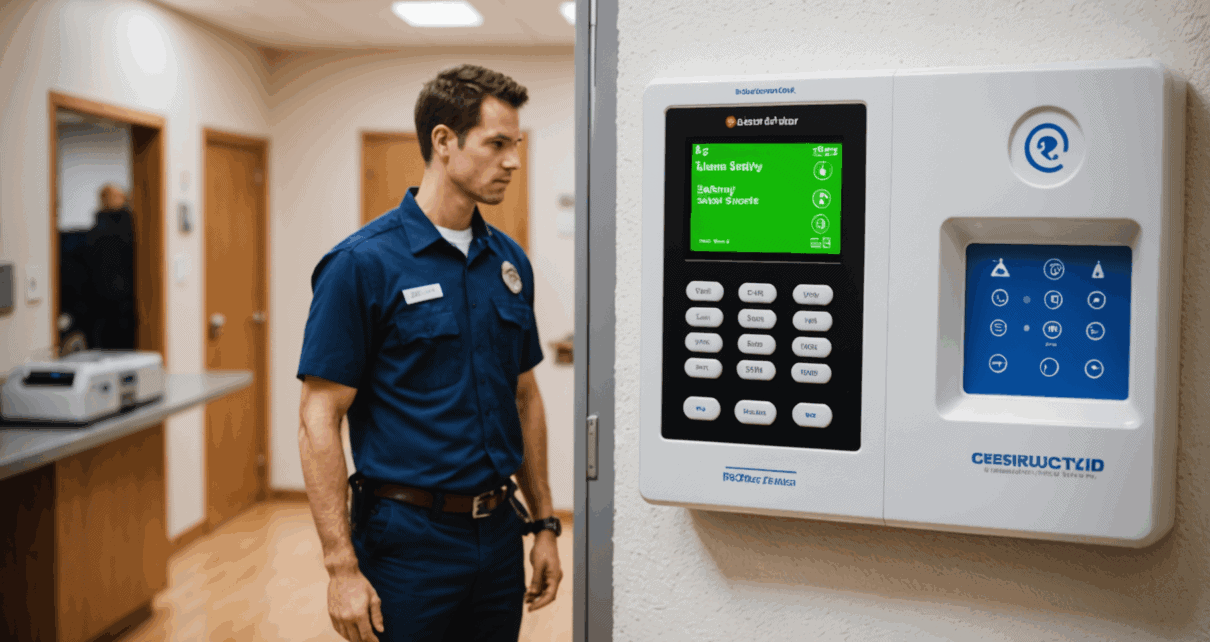
Safety stands as the top concern for businesses, groups, and homes in today’s world. With theft, vandalism, and emergencies happening more often, taking smart security steps has gained huge importance. Putting in strong alarm systems works beyond just reacting to problems; it acts like a shield, making safety rules tougher and smarter. People who want a real sense of security will find this approach a game-changer. Keep reading to discover how this can turn the odds in your favor.
Strengthening safety protocols with alarm systems offers a proactive approach to security, allowing for rapid response and deterrence of criminal activities. These systems serve not only as a deterrent but also as an essential communication tool that alerts authorities, staff, or residents instantly during emergencies. As threats evolve, modern alarm systems integrate seamlessly with other security solutions, providing a comprehensive shield against various risks. This article explores how these systems can reinforce safety measures across different environments, offering practical insights and actionable tips for maximizing their effectiveness.
Understanding the Importance of Alarm Systems in Safety Protocols
Why Alarm Systems Are Critical for Security
Alarm systems are a cornerstone of modern safety protocols. They serve as the first line of defense, alerting occupants and security personnel instantly when a breach or emergency occurs. According to recent statistics, properties without alarm systems are significantly more likely to fall victim to burglaries — with some studies indicating a 60% increase in thefts in unprotected premises.
In principle, alarm systems act as both a visual and auditory deterrent. The presence of visible sensors or cameras can discourage potential intruders, while loud alarms draw immediate attention, alerting nearby individuals and prompting swift action. Beyond theft deterrence, alarm systems are integral in health emergencies, fire detection, and even access control, making them vital for a layered safety approach.
Key Components of Effective Alarm Systems for Safety Enhancement
Types of Alarm Devices to Consider
- Motion Detectors: These sensors identify movement in restricted areas and trigger alerts to prevent unauthorized access.
- Door and Window Sensors: Placed at entry points, they activate alarms if opened unexpectedly.
- CCTV Cameras: Provide real-time monitoring and recording, offering visual evidence during security breaches.
- Panic Buttons: Allow immediate alerting of authorities or security personnel in case of emergencies.
Integrating these components creates a layered defense, making it harder for intruders to breach the premises unnoticed. When selecting alarm systems, consider scalability and compatibility with existing security infrastructure to maximize coverage and responsiveness.
How Alarm Systems Strengthen Emergency Response Plans
Rapid Alerts and Immediate Action
One of the most significant advantages of alarm systems is their ability to facilitate swift responses during crises. When an alarm is triggered, it not only notifies onsite security or staff but can also automatically alert local law enforcement or emergency services. This rapid communication reduces the window of opportunity for criminals and minimizes potential damage.
Implementing alarm systems as part of an emergency response plan ensures clear procedures are in place, including designated personnel to react, evacuation routes, and coordination with authorities. Regular testing and staff training on alarm functionality are vital to guarantee proper response during actual emergencies.
Technology Trends in Alarm Systems for Better Safety
Smart Alarm Systems and Integration
Emerging technologies are changing how alarm systems operate. Smart alarm systems now connect seamlessly with smartphones, offering remote monitoring and control. This means security staff or property owners can receive alerts, view real-time footage, or even arm/disarm systems remotely, providing greater flexibility.
Additionally, integration with other safety systems, like access controls or fire detection, helps create a unified security environment. Automated responses, such as locking doors when an intrusion is detected, further enhance safety measures.
Implementing Best Practices for Strengthening Safety Protocols with Alarm Systems
Actionable Tips for Effective Deployment
- Conduct Regular Security Audits: Identify vulnerabilities and ensure alarm components are operational.
- Choose Reliable Technology: Invest in high-quality systems with proven effectiveness and proper certification.
- Ensure Proper Placement: Install sensors at strategic points to cover all vulnerable areas without creating blind spots.
- Train Staff and Users: Educate everyone on alarm usage, emergency procedures, and maintenance tips.
- Maintain and Test Systems Frequently: Schedule routine checks to confirm alarms function correctly and update firmware as needed.
By following these best practices, organizations can maximize their investment in alarm systems, ensuring they serve as a robust backbone for safety protocols.
Legal and Compliance Considerations
Understanding Regulations and Standards
Many industries and regions have specific regulations regarding security systems and alarms. Compliance not only avoids legal penalties but also ensures the safety protocols are effective—and recognized by authorities. For instance, certain fire alarm standards are mandated for commercial buildings, and regular inspections are often required by law.
Being aware of these standards helps organizations select suitable alarm systems and implement them correctly. Moreover, thorough documentation of maintenance and testing can be vital during audits or investigations.
Conclusion
Strengthening safety protocols through the deployment of effective workplace alarm systems can significantly reduce risks, improve response times, and deter malicious activity. These systems act as a vital component in safeguarding personnel, assets, and property. From simple sensors to integrated smart systems, choosing the right technology and following best practices can transform your safety measures and provide peace of mind.
Remember that safety is an ongoing process, not a one-time action. Regularly review and update your alarm and security strategies to match emerging threats and technological advances. By doing so, you create a resilient environment where safety is prioritized at every level. If your organization hasn’t yet considered modern alarm solutions, now is the time to explore their benefits and take proactive steps to strengthen your safety protocols.


