

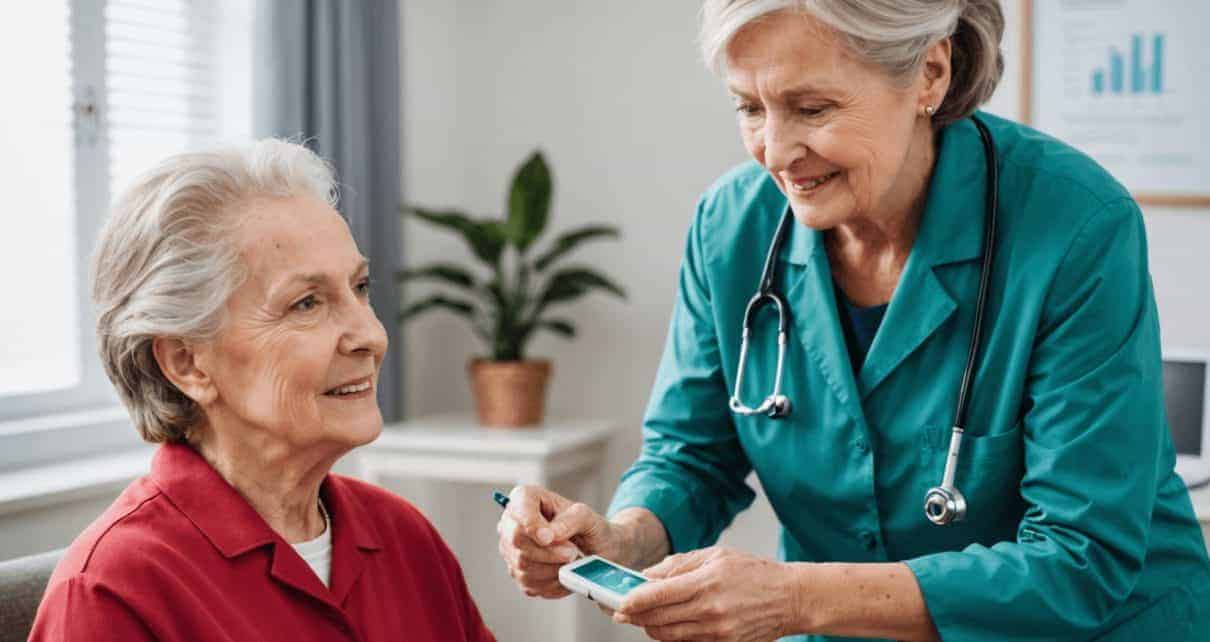
Many seniors, especially those who have had a stroke or face big risks, can experience health emergencies without warning. Strokes hit fast and hard, causing serious problems if treatment doesn’t come right away. Finding quick ways to get help can change everything for family and caregivers. Medical alert systems made just for stroke-risk seniors offer a crucial boost in safety and calm. This secret weapon keeps help just a button away, making a real difference when seconds count. Keep reading to discover how these alerts can save lives and bring peace.
These alert systems are more than just gadgets; they are lifelines that provide swift assistance during critical moments. With advances in technology and increasing awareness of stroke risks, choosing the right medical alert can significantly impact a senior’s quality of life, independence, and safety. This post explores the key reasons why medical alerts matter for stroke-prone seniors, what features to look for, and practical tips to select the best system for your loved ones.
Understanding Stroke Risks in Older Adults
The Importance of Recognizing Stroke Symptoms
Strokes often strike without warning, especially among seniors. Recognizing early symptoms can save precious time. Common signs include sudden numbness or weakness, confusion, trouble speaking, dizziness, or sudden severe headache. Quick action when these signs appear can lead to better recovery outcomes. For seniors at higher risk, having an effective medical alert system ensures help can be summoned immediately if symptoms arise.
Why Seniors Are More Vulnerable to Stroke
Age increases the likelihood of stroke due to factors like high blood pressure, atrial fibrillation, diabetes, and lifestyle habits. According to the Centers for Disease Control and Prevention, nearly 75% of all strokes occur in individuals aged 65 and older. For these individuals, being prepared with a reliable emergency alert device can reduce the delay in receiving medical attention, which is critical in stroke cases.
Key Features of Medical Alerts for Stroke-Prone Seniors
Immediate Response Capabilities
Ideal medical alerts feature one-touch access to emergency services. This means pressing a button connects seniors directly to responders who can assess the situation and dispatch help swiftly. In emergencies like strokes, every second counts, so rapid response features are essential.
GPS Tracking and Location Accuracy
For seniors who might venture outdoors alone, GPS-enabled systems offer real-time location tracking. This ensures responders can find them quickly, even if they are disoriented or unable to communicate their location. Proper location tracking minimizes response time and enhances safety during outdoor activities or unexpected incidents.
Monitoring and Fall Detection
Some systems include fall detection technology, automatically alerting emergency contacts if a fall is detected. Though falls are common among seniors and can sometimes precede strokes, this feature adds an extra layer of security, especially for those with mobility challenges or balance issues.
Benefits of Using Medical Alerts for Stroke-Prone Seniors
- Faster Emergency Response: Immediate assistance reduces the risk of long-term damage.
- Enhanced Independence: Seniors can maintain a more active lifestyle knowing help is available when needed.
- Peace of Mind for Families: Caregivers and loved ones gain reassurance that help can be summoned at a moment’s notice.
- Potential for Better Outcomes: Timely medical intervention following a stroke can lessen complications and improve recovery.
Choosing the Best Medical Alert System for Your Senior Loved One
Assessing Specific Needs and Lifestyle
Consider whether your senior loved one spends significant time alone at home, goes outdoors frequently, or requires fall detection. For instance, those with mobility issues should look into systems with fall alert features, while active seniors might need GPS trackers. Understanding lifestyle patterns helps tailor the choice to provide maximum safety benefits.
Evaluating System Reliability and Ease of Use
Choose systems with tested durability and clear, simple operation. Voice prompts, large buttons, and minimal steps to activate an emergency call make systems more user-friendly. Reading reviews and consulting with providers can also help assess reliability and customer support quality.
Practical Tips for Implementing Medical Alerts Effectively
- Ensure Proper Training: Teach seniors how to activate the system and explain its importance. Regular practice can build confidence in using the device during actual emergencies.
- Keep Devices Charged and Maintained: Regularly check batteries and functionality. A device that’s not operational defeats its purpose in emergencies.
- Share Emergency Contacts and Procedures: Make sure your senior knows who to contact and understands what to do if they activate the alert.
- Perform Routine Checks: Periodically test the system to confirm it works correctly and update contact information as needed.
- Incorporate Alerts Into Daily Routine: Encourage seniors to wear or carry their device at all times, especially during outdoor activities or when away from home.
Cost Considerations and Funding Options
While quality medical alert systems vary in price, think of them as investments in safety and peace of mind. Basic systems might cost around $20 to $50 monthly, with more advanced options costing more. Some insurance plans or community programs offer discounts or subsidies, so it’s worthwhile to explore these options. Remember, the cost often correlates with features like GPS, fall detection, and round-the-clock monitoring.
The Impact of Proper Medical Alert Usage on Stroke Response
Utilizing a medical alert system effectively ensures that when stroke symptoms appear, help arrives quickly. This can lessen the severity of long-term disabilities and improve recovery chances. The faster emergency responders are contacted and medical care begins, the better the outcome tends to be. It’s essential for caregivers and seniors to understand the importance of standby readiness and proactive use of these systems.
Conclusion
As seniors face increased risks of stroke due to age and health factors, having a reliable medical alert system becomes a lifeline that offers safety, independence, and peace of mind. When selecting an alert, consider the features that match your loved one’s specific needs, from easy activation to GPS tracking and fall detection. Proper training, maintenance, and routine checks ensure these devices function correctly when most needed.
Remember, swift response can make the difference between a full recovery and serious complications. If you are contemplating options, take a moment to learn the facts here about the top systems and what features matter most. Investing in the right medical alert system is a simple yet vital step towards safeguarding your senior loved ones against the dangers of stroke. Don’t wait until an emergency occurs—be proactive and ensure help is always just a button away.


